Bus Rapid Transit is a hidden gem in public transportation
Urbanisation is accelerating. United Nations predict by 2050, nearly 70% of the world’s population is expected to live in cities, placing enormous pressure on transport infrastructure. For millions of people, daily mobility is not just about convenience, it affects productivity, economic opportunity and overall quality of life. Congestion, long travel times and unreliable services come at a real social and financial cost.
BRT has emerged as one of the most cost-effective, high-impact solutions for urban mobility. Combining the capacity and speed of rail with the cost-efficiency and flexibility of buses, BRT has grown into a global solution used by cities across continents, from Sao Paulo to Shanghai and beyond.
This blog explores the state of the BRT market today, explains why digitalisation is essential for BRT’s future success, and sets the stage for how O-CITY is supporting this transformation.
About BRT market state
Today’s BRT landscape is shaped by extensive global adoption and performance tracking. According to the BRT+ Centre of Excellence and the Global BRT Database, as of the latest consolidated data:
- 191 cities worldwide operate BRT systems.
- These systems include 469 dedicated corridors stretching over 5,900 km in total.
- Collectively, they carry more than 32 million passengers every day, showing their scale and importance in urban mobility networks across continents.
This growth reflects strong demand for fast, affordable, and efficient urban mobility solutions in both developed and emerging economies. BRT’s appeal is particularly strong where metro or rail systems may be too expensive or slow to deploy at scale, and governments are investing both to reduce congestion and to cut transport-related emissions.
Major BRT system examples:
TransMilenio — Bogotá, Colombia. One of the highest-capacity BRT systems in the world.
- How it works: Launched in 2000, TransMilenio operates on fully segregated trunk corridors with enclosed stations, pre-paid boarding and integrated feeder routes.
- Key stats: The system includes over 110 km of dedicated corridors and carries around 2 million passengers per weekday, making it a global benchmark for high-capacity BRT.
Metrobüs — Istanbul, Türkiye. One of busiest BRT corridors in Europe.
- How it works: Operating on a fully dedicated median lane, Metrobüs links the European and Asian sides of the city.
- Key stats: The system runs across 52 km with 44stations and carries around 1 million passengers per day.
Lagos BRT — Nigeria. First major BRT system in Sub-Saharan Africa.
- How it works: Launched in 2008, Lagos BRT uses dedicated and semi-dedicated lanes to tackle severe congestion.
- Key stats: The corridor spans about 22 km and serves approximately 200,000 passengers daily, forming a backbone of mobility in the megacity.
Curitiba BRT — Curitiba, Brazil. First modern BRT system inthe world, launched in 1974.
- How it works: Built around dedicated bus corridors integrated with urban planning and feeder routes.
- Key stats: The network spans roughly 80 km of dedicated lanes and supports around 2 million passenger trips daily across its integrated system.
The UITP Bus Rapid Transit Report highlights those systems vary in design, operational quality and rider experience. That is where international standards and data-driven benchmarking become critical tools for decision-makers and city planners.
Role of BRT in modern cities
BRT has become a major tool for improving mobility in modern cities. BRT offers metro-like performance by using dedicated lanes, priority at intersections, and efficient stations, while remaining far cheaper and faster to build than rail. This makes it attractive for cities facing rapid growth and limited budgets.
Recent findings from UITP suggest that BRT helps reduce traffic congestion, lowers emissions, and encourages people to shift from private cars to public transport. Many systems are now moving toward electric or other zero-emission fleets. By improving connections with other modes and increasing access for different communities, BRT supports more inclusive, reliable, and sustainable urban transport networks for the future.
Speed and cost-effectiveness. BRT systems can be planned and built far more quickly and at a lower cost than rail infrastructure, without sacrificing high capacity or reliability. In many cities, this means delivering quality mass mobility years ahead of scheduled rail projects.
Sustainability support. Popularisation of public transportation reduces number of vehicles on the roads as evident from Santiago’s Colombia case with reduction from 83% to 47% with introduction of accessible options. The support for emission reduction and cleaner air is evident. Benefits align with urban climate goals and public health targets.
Accessibility. Because BRT is comparatively affordable and scalable, it frequently serves various social segments favourably, connecting them to employment, education and essential services more efficiently.
However, the shift from a successful transport concept to world-class, sustainable mobility infrastructure relies on enhancing BRT with digital tools and technologies.
Digitalisation of BRT
Modern commuters and cities expect more than just buses on dedicated lanes. Digitalisation, which is achieved via modernisation of payment channels and acceptance, fare collection centralisation and operational automation and provision of convenient tools for commuter navigation, is vital.
1. Real-Time operational visibility
Centralisation of all visible data is the first step. Transport operators need accurate, real-time information on their fleet, traffic conditions and passenger peak volumes. This enables dynamic scheduling, quicker incident response, and reduced delays.
2. Interoperability and enhanced payment acceptance
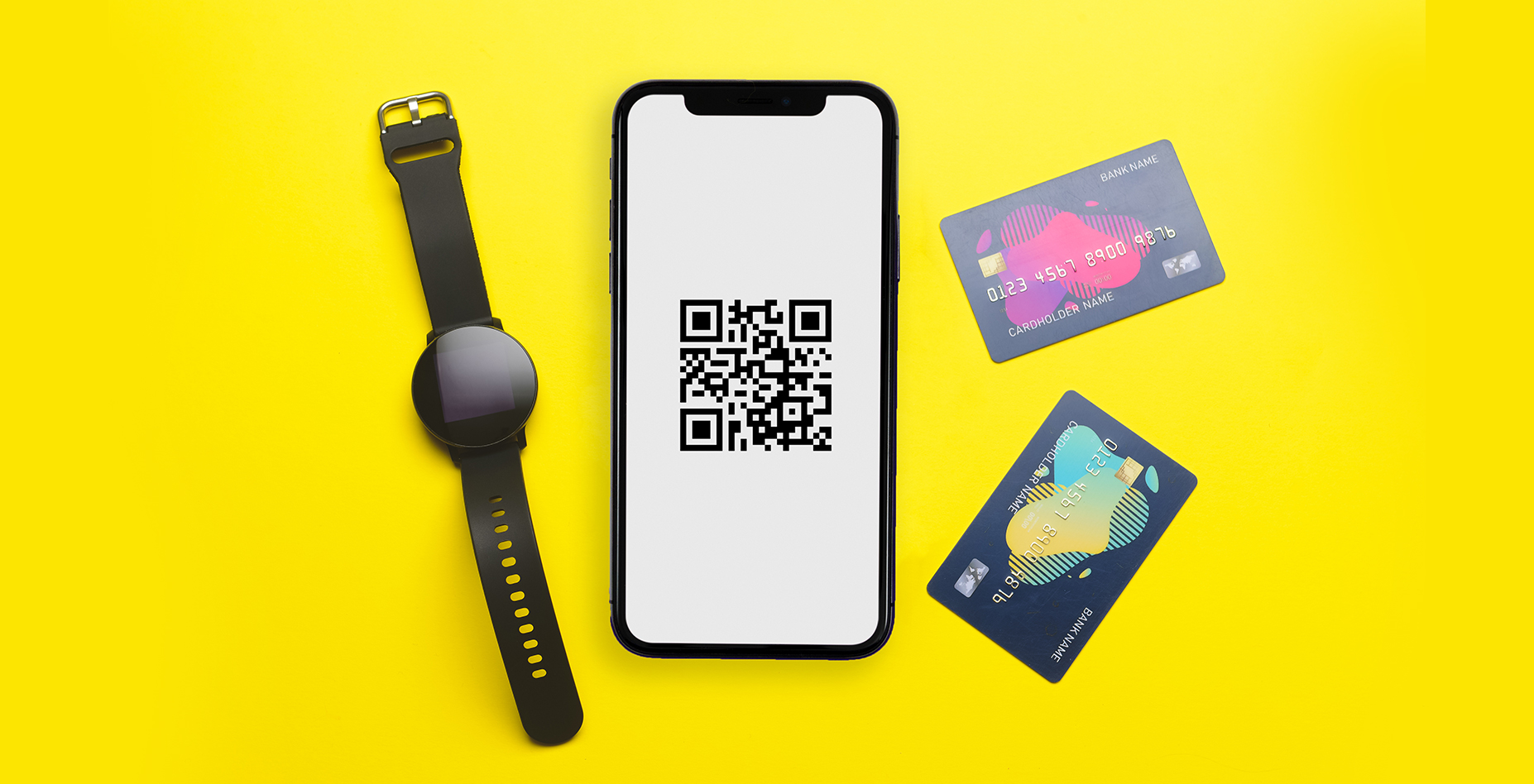
Digitalisation and unification of ticketing and improving payment acceptance from just cash to cards, QR, NFC or even biometrics simplify commuting, reducing boarding time and fare evasion. Centralisation of fare collection and management also unlock new insights into travel patterns and fare elasticity, enabling to provide each commuter segment accessible travel fare rate.
3. Passenger experience enhancements
Real-time data and mobile journey planning, occupancy notifications make BRT more user-friendly and predictable, increasing loyalty and satisfaction.
While the actions on the transport operation side are clear, municipalities are also advised to keep investing in BRT to improve the ridership experience through high-quality support and infrastructure. As per the ITDP BRT Standard update, the correlation between good infrastructure, governmental subsidies and operators involvement is positive. The updated scoring categories encourage systems to use technology-enabled safety, accessibility and climate preparedness measures as core performance indicators. Sustainability goal is not “nice to have” anymore.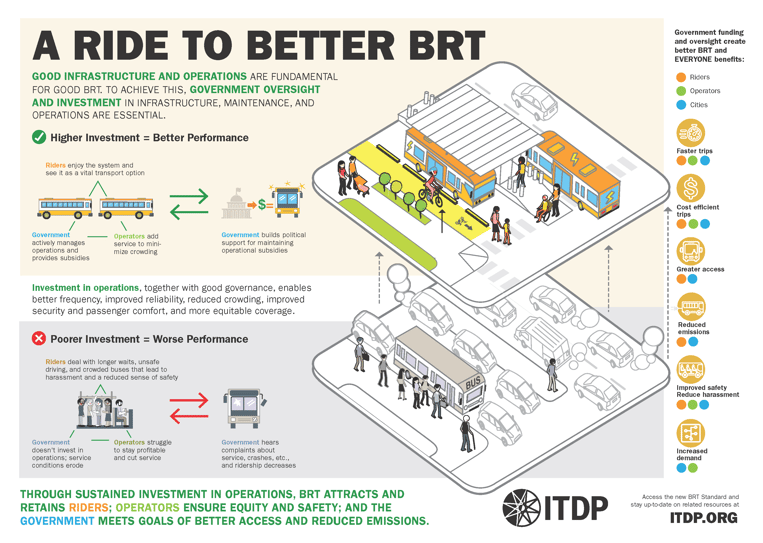 Image 1 - source: Institute for Transportation and Development Policy [https://itdp.org/multimedia/a-ride-to-a-better-brt/]
How O-CITY can help
As BRT systems grow in scale and passenger volumes, operators face pressure to deliver fast, reliable and digitally enabled services while keeping costs under control. O-CITY provides a unified technological fare collection platform that supports this transition by addressing both operational efficiency and passenger experience, without disrupting existing infrastructure
At its core, O-CITY enables account-based, cashless fare collection, with central monitoring of all data in real-time. Thanks for being designed as an open-loop fully compliant solution, commuters can pay using any kind of familiar digital method from QR code to plastic card to mobile phone, while operators retain full control over fares and policies.
Key ways O-CITY supports BRT systems include:
- Open-loop technology
Support for bank cards, QR codes, mobile wallets and transport cards to speed up boarding and reduce cash handling. - Centralised fare and data management
One platform to manage fares, transactions, passenger data, 360 view and reporting across channels in customised set of dashboards. - Operational flexibility
Works both online and in low bandwidth areas, integrates with any existing hardware, and can be deployed in the cloud or on-premise within few weeks. -
Commuter-friendly experience
Mobile applications and digital channels improve transparency, convenience and trust in BRT services
Together, these capabilities help BRT operators modernise faster, operate more efficiently and meet rising passenger expectations.
Conclusion
Bus Rapid Transit is a proven, high-capacity solution that already moves millions of people every day in cities worldwide. As highlighted by ITDP and UITP research, the next phase of BRT success depends less on infrastructure alone and more on how systems are managed, measured and experienced by users.
Digitalisation plays a central role in this shift. Real-time data, cashless payments and integrated platforms improve reliability, safety and accessibility, are all priorities in modern BRT standards. By supporting digital fare collection, operational insight and better passenger experiences, platforms like O-CITY help ensure that BRT systems remain efficient, inclusive and future-ready, strengthening their role in sustainable urban mobility.